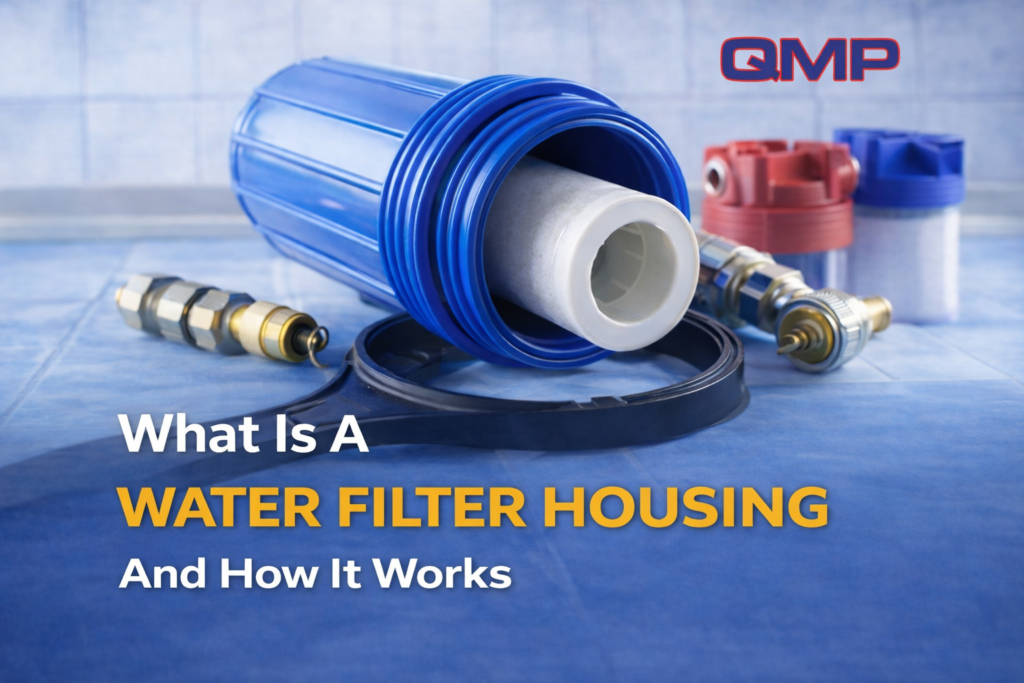
What Is A Water Filter Housing And How It Works
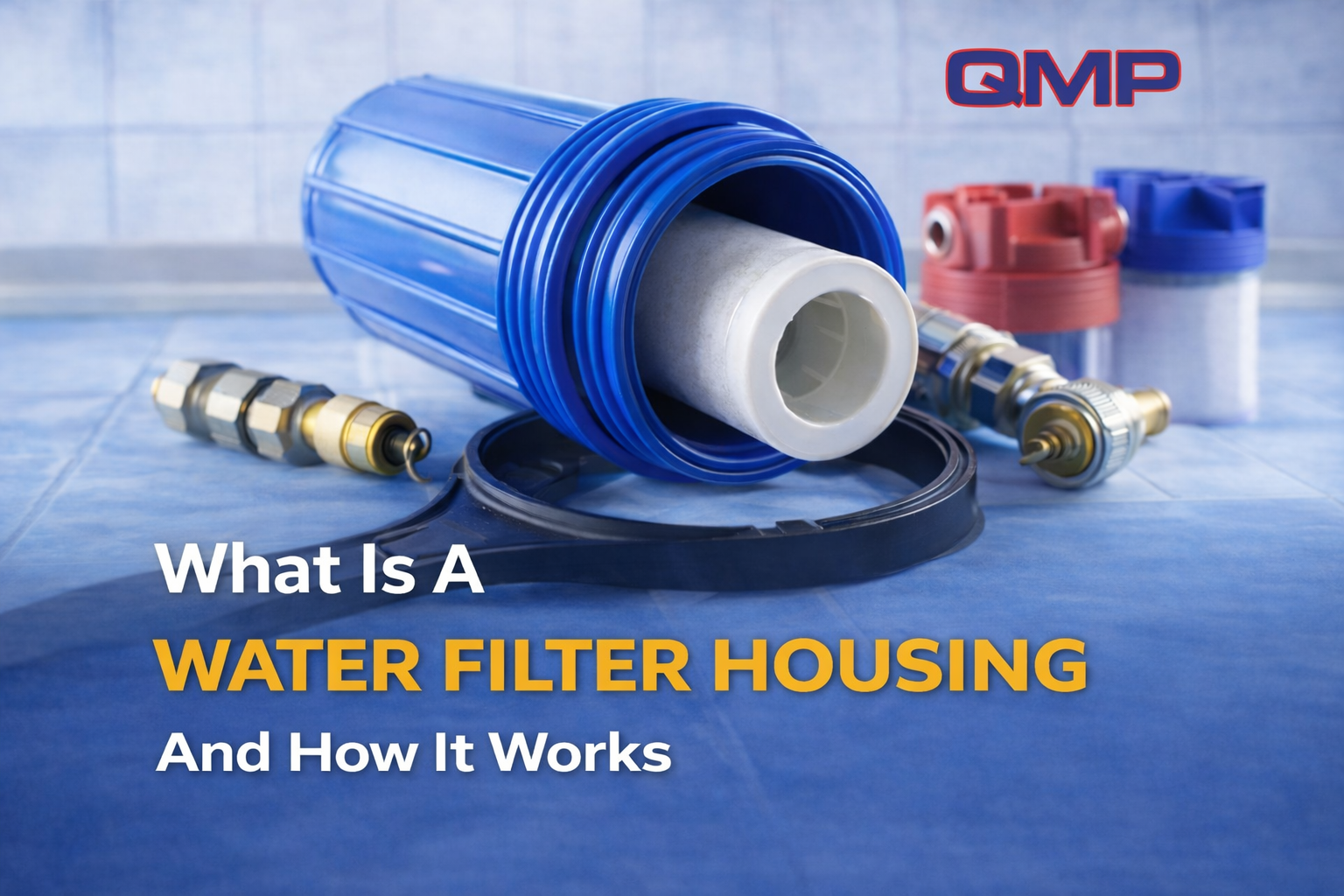
Most people only notice a water filter housing when something goes wrong. A leak under the sink. A cracked canister. A filter that never quite fits right. That outer shell holding the filter often gets overlooked, yet it plays a critical structural role in system performance.
A water filter housing is not just there to hold a cartridge in place. It controls pressure, keeps seals tight, and makes sure water actually passes through the filter instead of around it. When the housing is poorly matched to the system, problems show up fast. Pressure spikes cause cracks. Improper seals allow untreated water to bypass the filter. Over time, what should be a simple setup turns into a recurring maintenance issue.
This matters more now than ever. Recent EPA findings show that around 172 million Americans may be exposed to PFAS, often called forever chemicals, through their drinking water. As a result, more homes and businesses rely on filtration to remove contaminants. But filtration only works when the housing is built to handle the job. A strong filter inside a weak housing does not solve the problem.
This guide explains what water filter housings actually do, how different designs work, and why choosing the right housing matters just as much as choosing the filter itself.
If you need dependable filtration components for residential or commercial use, QMP Inc. has been manufacturing water filter housings and complete systems since 1994. From standard designs to custom-built solutions, our products are engineered for durability and consistent performance. Call us at (661) 294-6860 or email us at info@qmpusa.com to discuss your specific water treatment needs.
“QMP Inc. manufactures water filter housings that are built for pressure, precision, and long-term reliability, whether for residential systems or demanding commercial applications.”
Once you understand how housing performance affects pressure stability, sealing, and material safety, manufacturing quality becomes just as important as design.
Why American-Made Filter Housings Matter
Filter housings manufactured under different regulatory environments often vary significantly in material traceability, molding precision, and documented compliance standards. In water filtration, material sourcing, molding precision, and quality control directly affect safety and performance. U.S.-manufactured water filter housings are typically produced under documented material certifications, NSF-related compliance requirements, and controlled manufacturing protocols.
U.S.-based production allows for tighter quality control, material traceability, and faster design improvements. It reduces variability related to inconsistent resin blends, thread tolerance deviations, or incomplete material documentation.
Domestic production enables tighter batch tracking, clearer supplier documentation, and faster engineering feedback loops. In pressure-rated water systems, traceability and process control directly affect long-term reliability.
For private-label brands and OEM partners, domestic manufacturing also improves lead time predictability and simplifies compliance verification across production runs.
How A Water Filter Housing Works (It’s Not Just Holding A Filter)
Most people think a water filter housing is just a container. Pop the filter in, screw it shut, and done. But that’s like saying a car engine is just a metal box with moving parts. Technically true, but you’re missing the entire point.
1. Pressure Management Is Everything
Your home’s water pressure typically runs between 40 and 80 PSI. Doesn’t sound like much until you realize that’s the same force holding back gallons of water trying to find any weak point in your system. A high-pressure filter housing handles this constant stress without cracking, warping, or developing micro-leaks that grow into puddles under your sink.
2. Creating Watertight Seals Under Stress
The O-ring seal between the housing cap and body needs to compress evenly, maintain elasticity through temperature changes, and resist degradation from chlorine and other chemicals in your water. Sounds simple. It’s not.
Poor housing design creates uneven pressure on O-rings. Over time, they develop flat spots, cracks, or simply compress beyond recovery. Then you’re tightening the housing more and more, trying to stop the drip, until either the threads strip or the housing cracks from over-torquing. Good housing design prevents this cycle entirely.
3. Chemical Resistance You Can’t Ignore
Water contains far more than pure H2O. Chlorine disinfectants, mineral salts, acidic compounds, alkaline additives, and whatever your municipal system uses to treat their supply all contact your housing material constantly. Cheap plastics become brittle. Low-grade metals corrode. Both fail eventually, often when you’re on vacation or during a holiday weekend when plumbers charge triple rates.
Food-grade polypropylene, reinforced nylon, and stainless steel exist for a reason. They withstand chemical exposure for years without degrading. That’s the difference between replacing housings every 18 months versus running the same unit for a decade.
4. Not All Plastics Are Safe for Drinking Water
One critical factor many buyers overlook is whether the housing material is certified for potable water use.
Water filter housings should be manufactured using food-grade polypropylene, reinforced nylon, or stainless materials that are compliant with drinking water safety standards. These materials are designed to resist leaching, chemical breakdown, and long-term degradation when exposed to chlorinated municipal water.
Low-quality plastics may look identical from the outside, but they can contain recycled or non-certified resins not intended for drinking water systems. Over time, that can affect durability, safety, and overall system integrity.
Always verify that housing materials are appropriate for potable water applications and manufactured under recognized compliance standards.
Common Filter Housing Types And Where They Are Used
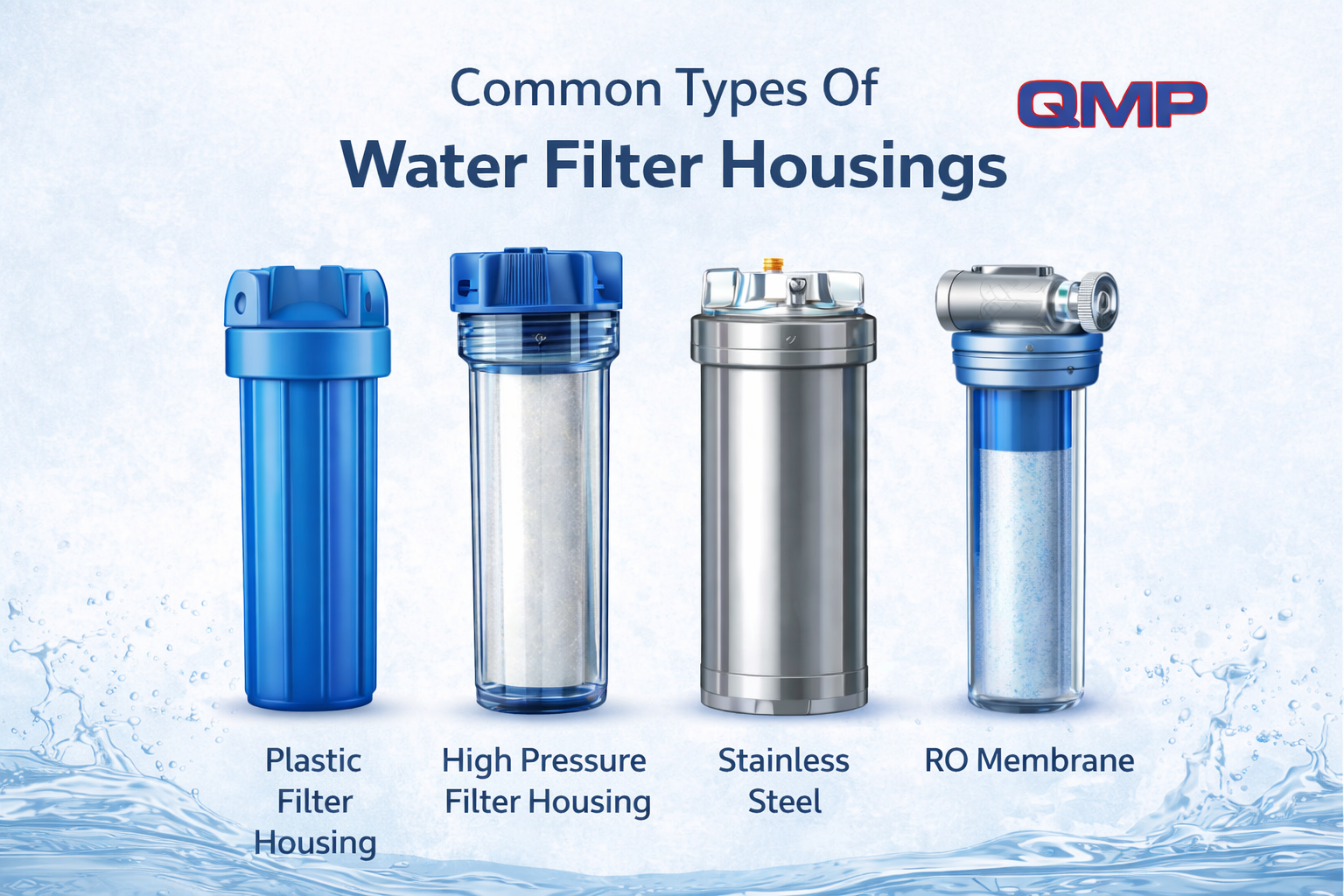
Walk into any filtration supplier and you’ll see dozens of housing options. Same thread size, similar dimensions, wildly different prices. Here’s what separates them and why it matters for your specific application.
1. Standard Clear Housings For Sediment Filtration
These transparent housings let you see the filter condition without opening anything. Smart for sediment filters where visual inspection matters. You can watch the filter load up with rust, sand, and particles, knowing exactly when replacement is needed instead of guessing based on calendar dates.
But clear housings have limits. UV light degrades most transparent plastics over time, causing brittleness and discoloration. They’re also typically rated for lower pressures (around 125 PSI max). Fine for under-sink installations. Not ideal for whole-house systems or applications where housings sit in direct sunlight.
2. Opaque Housings For Carbon And Specialty Filters
Can’t see through them, but that’s intentional. Carbon filters and certain specialty media degrade under UV exposure. Opaque housings protect filter integrity while often providing higher pressure ratings (150-200 PSI) through thicker walls and reinforced construction. These are the workhorses of residential and light commercial filtration.
3. High-Pressure Stainless Steel Housings
When plastic won’t survive, stainless steel steps up. High-pressure filter housings in 304 or 316 stainless handle extreme conditions: high temperatures, aggressive chemicals, pressure spikes above 200 PSI, and environments where housing failure creates serious hazards. A quality stainless housing can outlast your equipment.
4. Big Blue And Jumbo Housings For Flow Rate
Standard 10-inch housings work fine for low-flow applications like drinking water faucets. But whole-house filtration or commercial operations need serious flow rates without pressure drop. That’s where big blue (4.5-inch diameter) and jumbo housings come in.
Larger diameter means more filter surface area. More surface area means water flows through without fighting for space. You maintain pressure, filters last longer because they’re not overworked, and equipment downstream gets the flow it needs. We’ve designed systems where switching to jumbo housings solved chronic low-pressure complaints without any other changes.
5. RO Filter Housings With Specific Thread Standards
RO filter housings follow different rules. They’re typically smaller (10 inches by 2 inches), use quick-connect fittings instead of threaded ports, and integrate into multi-stage systems where housing compatibility across stages matters critically.
Mixing housing brands in RO systems causes headaches. One brand’s cap might not seal properly on another’s body. Thread pitches vary slightly. O-ring grooves sit in different positions. Stick with matched housing sets for RO applications. The cost savings from mixing brands quickly disappear when compatibility issues lead to ongoing leak troubleshooting.
6. Sump And Cap Materials That Match Your Application
Here’s where housing selection gets specific. The sump (the body holding the filter) and cap (the top with inlet/outlet ports) can use different materials for different purposes:
Reinforced nylon sumps with stainless caps handle higher pressures while keeping costs reasonable. All-polypropylene construction works great for standard residential applications. Glass-filled nylon provides extra strength without going full stainless. Brass cap inserts prevent thread wear in frequently serviced housings.
7. Inlet And Outlet Port Configurations
Most housings use 3/4-inch or 1-inch NPT threaded ports. But port location matters. Top inlet/outlet ports make sense for vertical installations where space is tight. Side ports work better for horizontal mounting or when you need to minimize height. Some housings offer multiple port options, letting you cap unused ports and configure flow direction based on your plumbing.
We’ve solved installation challenges by simply switching housing orientation or port configuration. Sometimes the answer isn’t bigger housing, just a smarter one.
How To Choose The Right Housing Without Overspending Or Under-Protecting
Here’s the truth about housing selection: the most expensive option isn’t always the best, and the cheapest option is rarely adequate. You need to match housing specifications to your actual requirements.
1. Calculating Your Actual Pressure Needs
Verify incoming water pressure using a calibrated pressure gauge before selecting a housing. Add a 20-30 PSI buffer for pressure spikes from water hammer or thermal expansion. That’s your minimum housing pressure rating.
If your pressure runs 60 PSI, you need housings rated for at least 90 PSI. Buying 125 PSI rated housings gives you a safety margin. Anything beyond that provides diminishing returns unless you’re in an area with known pressure surge issues.
2. Matching Housing Size To Flow Requirements
A single drinking water faucet needs maybe 0.5 gallons per minute. Standard 10-inch housings handle that easily. But a whole-house system serving multiple bathrooms, appliances, and outdoor faucets needs 10-15 GPM flow rates. That requires big blue or jumbo housings to avoid pressure drop.
Undersized housings create restrictions. Water fights through the filter, pressure drops, and you get weak flow at faucets. Oversized housings waste money and space without providing benefits. Match housing diameter and length to your calculated flow needs.
3. Considering Filter Change Frequency And Access
Clear housings make sense if you’re monitoring sediment loads and changing filters based on visual inspection. Opaque housings work better if you’re on a strict calendar schedule (every 6 months regardless of appearance).
Also consider housing location. If the housing sits behind a water heater in a cramped utility room, you’ll appreciate a housing with easy-grip caps and tool-free opening. If it’s mounted front and center under a kitchen sink with easy access, standard housings work fine.
Get Reliable Filter Housings From QMP Inc.
Choosing the right water filter housing protects your investment in filtration while preventing the leaks, failures, and headaches that come from mismatched components. The housing might seem like the boring part of water treatment, but it’s what keeps everything else working reliably for years instead of months.
For distributors, private-label brands, and companies scaling filtration products, housing quality directly impacts warranty rates, compliance risk, and long-term brand reputation. Engineering precision, material traceability, and manufacturing consistency become critical at production scale, not just at installation.
At QMP Inc., we have been manufacturing American-made water filtration components and systems since 1994. Our vertically integrated production process allows us to control material sourcing, molding, assembly, and quality assurance under one roof. We use drinking-water-safe materials engineered for structural integrity, chemical compatibility, and consistent long-term performance. Our work includes standard housings, high-pressure designs, and custom-engineered solutions built around real operating conditions.
We manufacture housings for residential, commercial, and RO applications, including components designed to handle pressure, protect seals, and support long service life.
If you are planning a new filtration system or fixing recurring issues with an existing one, our team can help you select or design the right housing for the job. Call us at (661) 294-6860 or email us at info@qmpusa.com to discuss your requirements.
FAQs
1. What does a water filter housing do?
A water filter housing holds the filter cartridge and forces water through it. It controls pressure, maintains seals, and prevents untreated water from bypassing the filter.
2. Can a water filter fail because of the housing?
Yes. Poor housings cause leaks, pressure damage, and bypass, even when the filter itself is high quality.
3. When do I need high-pressure filter housing?
High-pressure housings are needed when water pressure fluctuates, runs continuously, or exceeds typical residential limits.
4. Are RO filter housings different from standard housings?
Yes. RO filter housings are designed for membrane elements and must handle higher pressure with precise sealing.
5. How long should a water filter housing last?
A well-made housing can last many years if pressure ratings are respected and seals are maintained.